In “Dark Wisdom,” we seek writing and/or publishing advice from the horror fiction masters making up Denver Horror Collective’s Advisory Council.
For this installment, we query Angie Hodapp, Director of Literary Development at Nelson Literary Agency: “What sort of horror novels are agents looking for?”
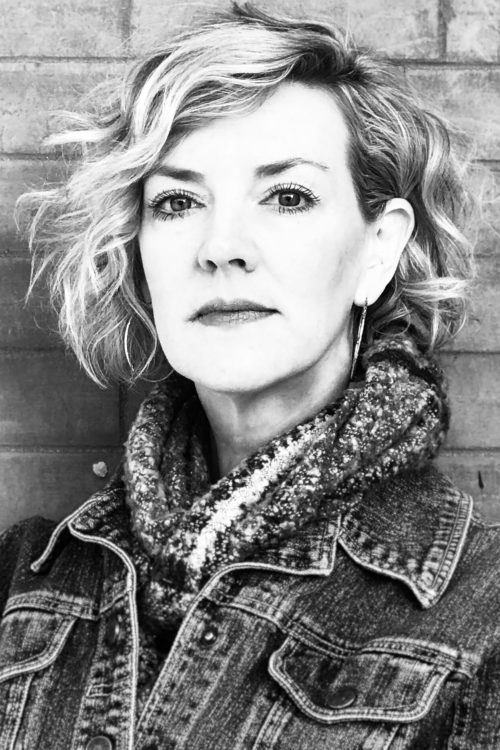
Photo: Wyoming Writers, Inc.
ANGIE HODAPP: While I certainly can’t answer that question on behalf of all agents, I can take a stab (ha, ha) at nailing down (I slay me) a few thoughts that I hope you’ll find useful. I’ll break it down into three things: writing style, premise, and plot.
Upmarket or Literary Writing Style
Nelson Literary Agency is always open to horror submissions, but one of the first three things we’re going to look at is the quality of the writing. We’re unlikely to request a more commercial-leaning, trope-heavy horror novel—cheap thrills, gratuitous violence, gore porn any premise or milieu* that feels recycled or derivative, a work likely to be released as a mass market paperback or ebook only. But send us a more cerebral, psychologically challenging work that demonstrates the tense, suspenseful, unsettling, atmospheric slow-burn of masterful horror writing, and we’ll jump all over it. Read 100 reviews or blurbs for bestselling horror novels and count how many times the words “tension” and “suspense” are used. So much of a writer’s ability to bring tension and suspense to the page lives in their writing style and voice.
We want (and, frankly, who doesn’t?) the next big crossover horror project—the one publishers are going to release in hardcover, the one booksellers are going to set out on their front-of-store displays because it has the potential to capture readers who “don’t read horror” as well as those who do.
*Some horror milieus, however, are evergreen. Haunted houses. Morgues. Cemeteries. Gothic churches. Basements. Abandoned shacks. Maybe that’s because such places are metaphors for the corners of our minds where fear and apprehension lurk. It’s often how a writer chooses to render a familiar setting that makes it feel unique rather than derivative.
Continue reading →




 Denver Horror Collective